

7 Things You Should Know Before a Root Canal in Offenbach—Especially If You're Nervous
For many people, root canal treatment is a source of anxiety. There are reasons for this, but they often disappear when you take a closer look. Anyone in Offenbach facing root canal treatment usually has the same questions: Will it hurt? How long will it take? How much will it cost? And above all: Who can I trust with my tooth?
This article summarizes the seven most important things you should know before undergoing root canal treatment in Offenbach. It is based on the practical experience of Dr. Alessja Indin, a dentist in Offenbach-Westend who specializes in endodontics. If you have a fear of the dentist, you’ll also find concrete answers here—not just reassuring, but realistic.
Table of Contents
1. Root canal treatment is almost always painless these days
For many people, root canal treatment is a source of anxiety. There are reasons for this, but they often disappear when you take a closer look. Anyone in Offenbach facing root canal treatment usually has the same questions: Will it hurt? How long will it take? How much will it cost? And above all: Who can I trust with my tooth?
This article summarizes the seven most important things you should know before undergoing root canal treatment in Offenbach. It is based on the practical experience of Dr. Alessja Indin, a dentist in Offenbach-Westend who specializes in endodontics. If you have a fear of the dentist, you’ll also find concrete answers here—not just reassuring, but realistic.
2. Not every case of tooth nerve pain requires immediate root canal treatment
An irritated tooth nerve does not automatically require root canal treatment. In the early stages, when the inflammation is still reversible, the nerve can recover. For this to happen, two conditions must be met: The underlying cause—usually deep decay or a leaky filling—must be eliminated, and the tooth must be given the opportunity to heal undisturbed.
In such situations, we often use a soothing calcium hydroxide filling and re-examine the tooth after a few weeks. Some teeth that would be sent directly for root canal treatment at other dental offices remain vital this way. This is part of our approach to preserving tooth structure: treat only when it is truly necessary.
However, anyone experiencing symptoms that last longer than two to three days should not wait. A reversible irritation can develop into irreversible inflammation—and at that point, the only options are root canal treatment or extraction.
3. The choice of dental practice determines the outcome—why Dr. Indin’s practice in Offenbach is particularly well-suited for anxious patients
A root canal treatment can last a lifetime—or cause new problems after two years. The difference almost never lies with your tooth. It lies with the dental practice where the treatment is performed. Three factors are key: the dentist’s area of specialization, the technical equipment, and—especially for anxious patients—the atmosphere.
At Dr. Indin’s practice in Offenbach, all three come together. Dr. Alessja Indin completed the Endodontics Curriculum in 2015 and officially specializes in endodontics. Root canal treatments at our practice are performed exclusively using a Carl Zeiss surgical microscope, a rubber dam, and a self-navigating endomotor (Coltène CanalPro Jeni)—a device that automatically detects when a file is about to break or when the root tip has been reached. Both of these measures significantly reduce the risk of complications.
Equally important is what makes our practice in Offenbach special for patients with dental anxiety. We operate exclusively by appointment, so there’s no hustle and bustle in the waiting room. You won’t walk into a crowded reception area, but rather a quiet historic building on Ludwigstraße—with three treatment rooms, high ceilings, and plenty of natural light. For very anxious patients, the first appointment often consists only of a conversation and a gentle examination, with no treatment at all. We deliberately choose not to use nitrous oxide, sedation, or general anesthesia—not because we lack the options, but out of conviction. The goal is for you to maintain control and build trust, rather than putting off returning to the dentist.
Dr. Indin also provides treatment in German, English, and Russian. Russian- and Ukrainian-speaking patients, in particular, will find a dentist at our practice who speaks their language and understands their cultural background. In a procedure such as root canal treatment, where clear communication and trust are so important, this makes a noticeable difference.
— Dr. Alessja Indin, Endodontics Fellowship; Specializing in this field since 2015“Root canal treatment isn’t just about technique. It’s about someone taking the time to listen and take your feelings seriously. That’s exactly the difference we want to make.”
4. With or without a microscope—that’s the biggest difference in quality
The question of how long a root canal treatment takes is one of the most common
A traditional root canal treatment is performed with the naked eye or with magnifying glasses. A microscopic root canal treatment is performed using a
surgical microscope that magnifies up to 25 times. It may sound like a technical detail, but it is likely the most important factor in the success of the treatment.
Molars typically have three or four root canals, but sometimes they also have hidden additional canals that simply cannot be seen without a microscope. Overlooked canals are one of the most common causes of recurrent inflammation later on. Studies show that microscope-assisted root canal treatments achieve measurably higher success rates—realistically between 85 and 95 percent, compared to 70 to 85 percent without a microscope.
You can and should feel free to ask directly whether the practice where you’ll be treated uses a surgical microscope.
It’s one of the most important questions to consider when choosing a practice.
5. What Health Insurance Covers and What It Doesn't
Statutory health insurance generally covers the full cost of root canal treatment for incisors and canines. For molars, however, coverage is subject to strict criteria: The tooth must be worth preserving in the long term and part of a complete row of teeth. If it does not meet one of these criteria, the treatment is considered a purely private service.
Important to know: Health insurance coverage includes root canal treatment without the use of a microscope, a rubber dam, or a comprehensive irrigation protocol. A root canal treatment of the quality typically provided in specialized practices is not covered by the standard health insurance rate. The out-of-pocket cost for a microscopic root canal treatment is usually between 400 and 1,200 euros, depending on the tooth and the number of canals.
What you should do: Before treatment begins, ask for a written treatment and cost plan. This plan must clearly list all additional costs. Supplemental dental insurance often covers a significant portion of these costs—if you have it, it’s worth reviewing your policy before your first appointment.
6. How Many Sessions You Should Really Schedule
Statutory health insurance generally covers the full cost of root canal treatment for incisors and canines. For molars, however, coverage is subject to strict criteria: The tooth must be worth preserving in the long term and part of a complete row of teeth. If it does not meet one of these criteria, the treatment is considered a purely private service.
Important to know: Health insurance coverage includes root canal treatment without the use of a microscope, a rubber dam, or a comprehensive irrigation protocol. A root canal treatment of the quality typically provided in specialized practices is not covered by the standard health insurance rate. The out-of-pocket cost for a microscopic root canal treatment is usually between 400 and 1,200 euros, depending on the tooth and the number of canals.
What you should do: Before treatment begins, ask for a written treatment and cost plan. This plan must clearly list all additional costs. Supplemental dental insurance often covers a significant portion of these costs—if you have it, it’s worth reviewing your policy before your first appointment.
7. When Root Canal Treatment Is No Longer Worth It
There are teeth for which root canal treatment is the right choice. And there are teeth for which it would be an investment with an uncertain outcome. Part of providing honest, quality advice is clearly explaining both possibilities.
The following findings indicate that root canal treatment is not advisable: a tooth surrounded by bone that has already been significantly resorbed; a root that is split lengthwise; or a tooth that is fractured in multiple places or has very little tooth structure remaining above the gum line. In such cases, it is more honest to recommend extraction early on and to discuss the subsequent restoration right away—usually an implant or a bridge.
Statistically speaking, well-performed root canal treatments followed by a crown are permanent in over 90 percent of cases. That’s a very high success rate—but it only applies if the conditions are right. A reputable dental practice will tell you in advance whether this is realistic in your case.
— Dr. Alessja Indin, Owner of Dr. Indin & Team, Offenbach“Before I pull a tooth, I try to save it. But I also won’t try to sell you a root canal if the tooth can’t be saved anyway. Both approaches are part of the same honesty.”
Conclusion
Today, root canal treatment in Offenbach doesn’t have to be painful or dramatic. What it requires is time, the right tools, and a dentist who pays close attention. If you’re anxious, you should speak up about it—a good dental practice can handle it without you needing general anesthesia or sedation.
If you’re wondering whether a root canal is the right choice for you, be sure to read our detailed page on root canals in Offenbach. There you’ll find all the details about the procedure, costs, and alternatives. Or you can come directly to our practice on Ludwigstraße for a consultation—with no obligation, no pressure, and at your own pace.
Talk to Dr. Indin at
—even if you're unsure
Vereinbaren Sie einen Termin in unserer Praxis in der Ludwigstraße 34, 63067 Offenbach am Main. Telefonisch unter 069 881313 oder online. Patientinnen und Patienten kommen aus Offenbach, Frankfurt am Main, Neu-Isenburg, Mühlheim, Heusenstamm und Obertshausen zu uns. Was unsere Patientinnen und Patienten über uns sagen, lesen Sie auf Google und Jameda.
's Frequently Asked Questions About Root Canal Treatment in Offenbach
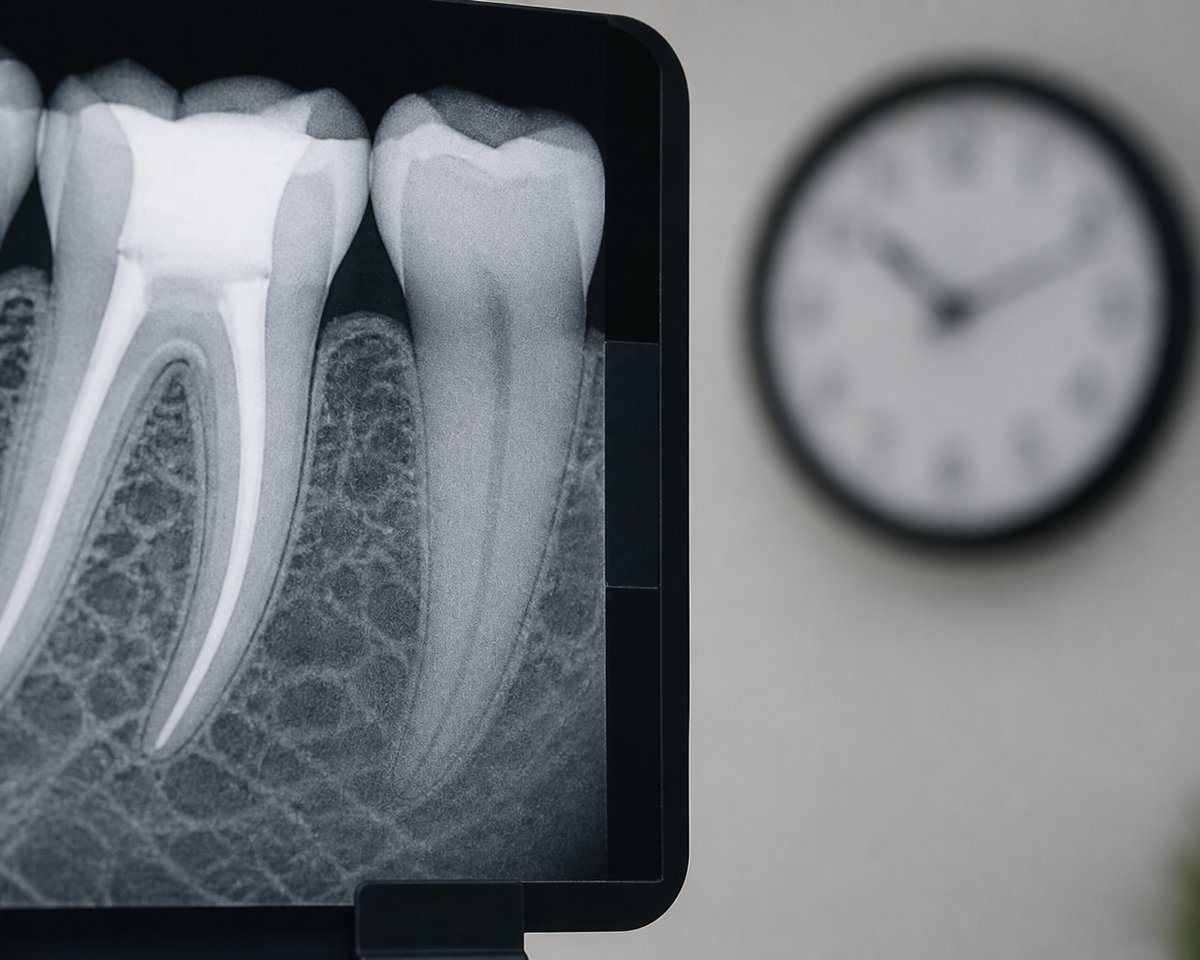
Eine Wurzelbehandlung erfolgt unter örtlicher Betäubung und ist heute in aller Regel schmerzfrei. Viele Patienten sind überrascht, dass die Behandlung angenehmer ist als die Zahnschmerzen davor. Wir arbeiten ohne Zeitdruck, erklären jeden Schritt und machen Pausen, wann immer Sie eine brauchen. Zur Isolation des Zahns legen wir einen Kofferdam an, ein dünnes Gummituch, das Speichel fernhält und den Mund schützt. So können Sie ruhig durch die Behandlung kommen.
Bei Schneide- und Eckzähnen übernimmt die gesetzliche Krankenkasse die Wurzelbehandlung in der Regel vollständig. Bei Backenzähnen zahlt sie nur, wenn der Zahn langfristig erhaltbar ist und eine geschlossene Zahnreihe besteht, sonst wird die Behandlung zur Privatleistung. Die Kassenleistung umfasst keine Behandlung mit OP-Mikroskop, Kofferdam und aufwändigem Spülprotokoll. Für eine mikroskopgestützte Wurzelbehandlung liegt der Eigenanteil je nach Zahn und Anzahl der Kanäle meist zwischen 400 und 1.200 Euro. Vor Behandlungsbeginn erhalten Sie einen schriftlichen Heil- und Kostenplan, und auf Wunsch ist eine Ratenzahlung möglich.
Das hängt vor allem vom Zahn ab. Ein Frontzahn hat meist nur einen Wurzelkanal, ein Backenzahn oft drei oder vier, manchmal auch zusätzliche, sehr feine Kanäle. Häufig sind mehrere Termine nötig, damit die Kanäle gründlich gereinigt und desinfiziert werden können, bevor sie dicht verschlossen werden. Wir nehmen uns für jeden Termin bewusst ausreichend Zeit, statt die Behandlung in eine einzige lange Sitzung zu pressen. Wie viele Termine Sie einplanen sollten, besprechen wir vorab mit Ihnen.
Nach einer Wurzelbehandlung kann der Zahn einige Tage empfindlich sein, vor allem beim Aufbeißen. Das ist eine normale Reaktion des Gewebes rund um die Wurzelspitze und klingt in der Regel von selbst ab. Übliche Schmerzmittel helfen in dieser Zeit gut. Werden die Beschwerden nach einigen Tagen nicht besser, nehmen sie zu oder kommen pochende Schmerzen und eine Schwellung hinzu, melden Sie sich bitte bei uns. Dann schauen wir uns den Zahn zeitnah noch einmal an.
Ein leichter Aufbissschmerz in den ersten Tagen ist häufig und meist harmlos. Schonen Sie die Seite in dieser Zeit und kauen Sie möglichst auf der anderen Seite. Manchmal steht eine provisorische Füllung minimal zu hoch, das lässt sich mit wenigen Handgriffen korrigieren. Hält der Schmerz beim Draufbeißen länger an oder kehrt er nach Wochen oder Monaten zurück, kann eine Entzündung oder ein übersehener Kanal dahinterstecken. Dann ist eine genaue Untersuchung wichtig, damit der Zahn erhalten bleibt.
Unter dem OP-Mikroskop von Carl Zeiss sehen wir den Zahn bis zu 25-fach vergrößert. Backenzähne haben oft drei oder vier Kanäle, manchmal zusätzliche, die mit bloßem Auge nicht zu erkennen sind. Übersehene Kanäle sind eine häufige Ursache dafür, dass eine Entzündung zurückkommt. Studien zeigen für mikroskopgestützte Behandlungen Erfolgsquoten von etwa 85 bis 95 Prozent, ohne Mikroskop von etwa 70 bis 85 Prozent. Dazu arbeiten wir mit dem selbstnavigierenden Endomotor CanalPro Jeni, der die Feilen schützt und nicht über die Wurzelspitze hinaus arbeitet.
Manchmal ja. Nicht jeder gereizte Zahnnerv braucht sofort eine Wurzelbehandlung. Ist die Entzündung noch umkehrbar, entfernen wir die Ursache, meist eine tiefe Karies oder eine undichte Füllung, und legen eine Kalziumhydroxid-Unterfüllung. Nach einigen Wochen kontrollieren wir, ob sich der Nerv erholt hat. Zahnschmerzen, die länger als zwei bis drei Tage anhalten, sollten Sie deshalb nicht abwarten, solange wir den Zahn noch behutsam retten können.
In vielen Fällen ja. Ein wurzelbehandelter Zahn ist nicht mehr vital und wird mit der Zeit spröder. Gerade bei Backenzähnen schützt eine Krone den Zahn davor, unter der Kaubelastung zu brechen. In unserer Praxis versorgen wir wurzelbehandelte Zähne in der Regel mit einem Glasfaserstift und einer keramischen Krone. Gut durchgeführte Wurzelbehandlungen mit Krone halten in über 90 Prozent der Fälle langfristig, wenn die Voraussetzungen stimmen.
Eine Wurzelbehandlung ist nicht immer die richtige Entscheidung. Bei starkem Knochenabbau um den Zahn, einer längs gespaltenen Wurzel, wiederholten Brüchen oder sehr wenig Zahnsubstanz über dem Zahnfleisch wird der Zahn zu einer unsicheren Investition. Dann empfehlen wir ehrlich, ihn rechtzeitig zu entfernen und die weitere Versorgung zu planen, zum Beispiel mit einem Zahnimplantat oder einer Brücke. Ist eine Wurzelbehandlung technisch sehr komplex, überweisen wir offen an einen spezialisierten Endodontologen und ziehen unsere eigenen Kosten dabei vom Betrag ab.
Sprechen Sie Ihre Angst offen an, damit können wir gut umgehen. In unserer reinen Terminpraxis in der Ludwigstraße in Offenbach gibt es keine Wartezeiten und keinen Zeitdruck. Der erste Termin kann ausschließlich aus einem Gespräch und einer vorsichtigen Untersuchung bestehen. Wir arbeiten bewusst ohne Lachgas oder Sedierung und gehen stattdessen in kleinen Schritten vor, mit weniger Behandlung pro Sitzung und mehr Zeit. Dr. Indin spricht neben Deutsch auch Englisch und Russisch.
-
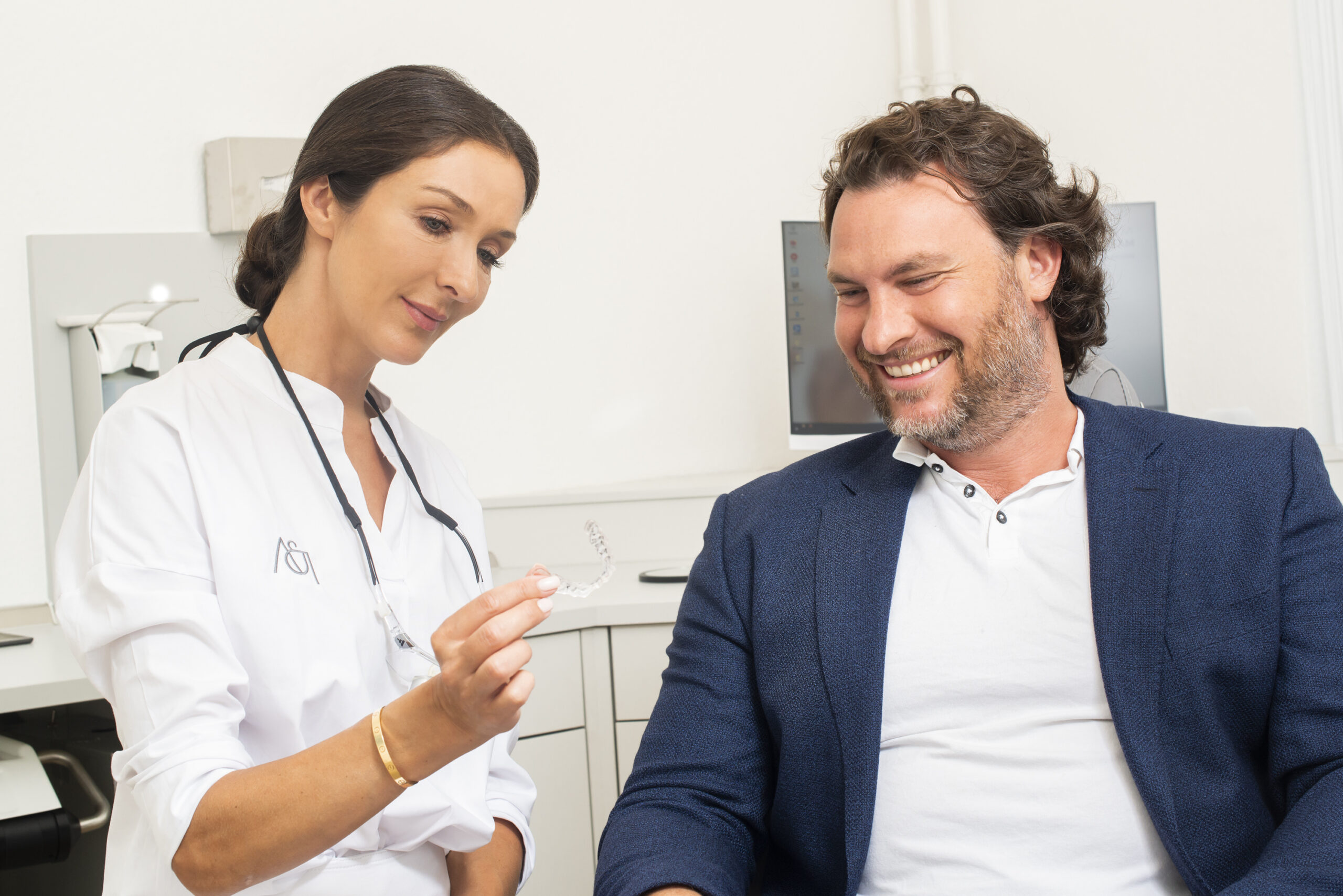
An aligner for adults—it sounds easier than it sometimes is. Anyone looking into this has usually already read quite a bit: testimonials, price comparisons, before-and-after photos. And yet, most questions don’t come up until the treatment becomes a concrete reality. I, Dr. Alessja Indin, work every day at my practice on Ludwigstraße in Offenbach with people who want to undergo orthodontic treatment—and who…
-

How long do veneers last? This is one of the most common questions asked by patients considering this treatment. The honest answer: between five and fifteen years—sometimes even longer. But why such a wide range? Veneers are wafer-thin ceramic shells that are bonded to the front surface of the front teeth. They change the color, shape, and position of a tooth without…
-
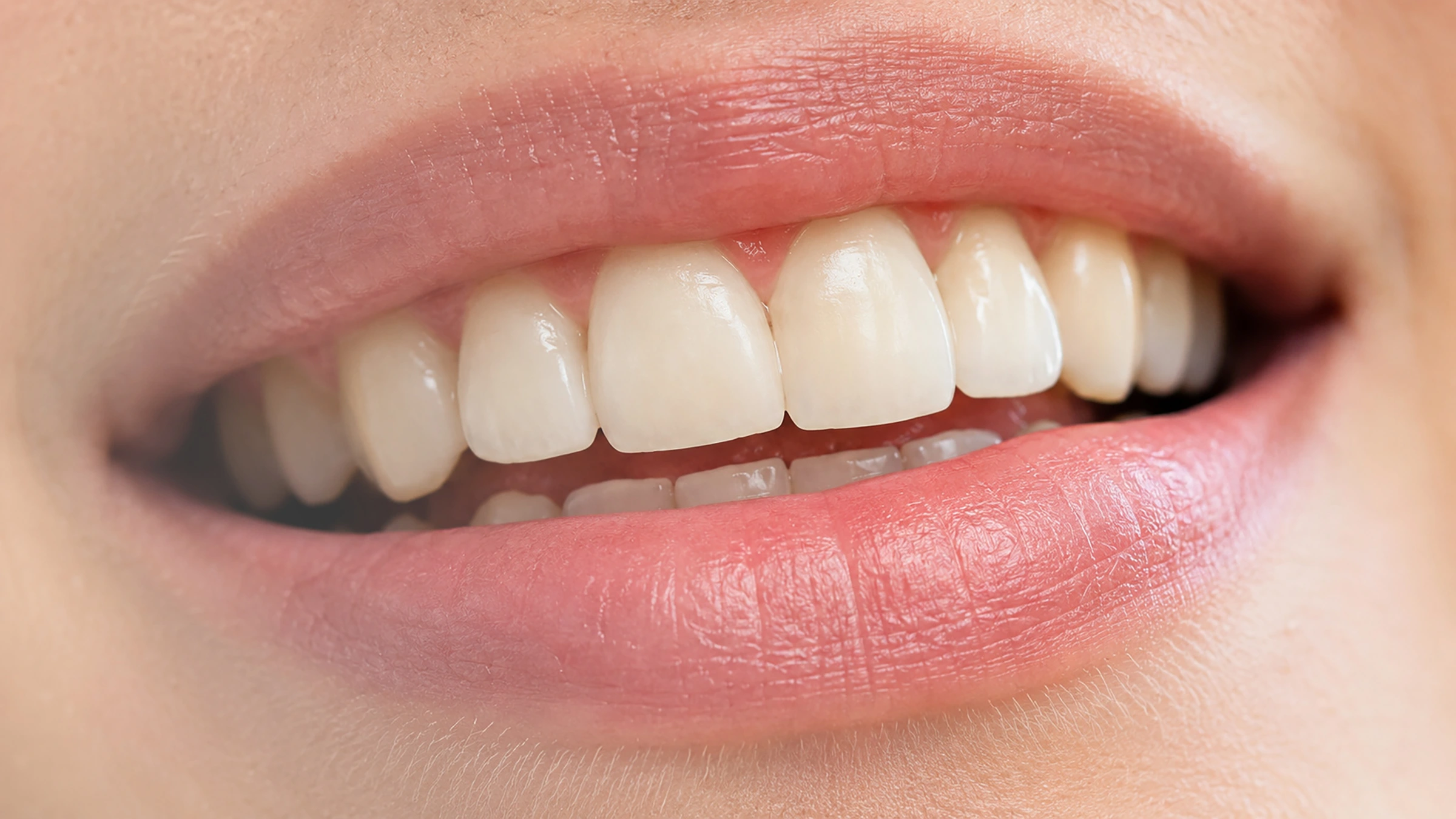
The desire to have teeth whitened is one of the most common requests in my practice—and few topics come with such a wide range of expectations. Some patients come in with a very specific idea in mind, while others have no idea what to expect. And almost always, after the initial consultation, it becomes clear that the result depends on six factors that neither…
-

In my practice, dental implants are the topic that patients most often bring up with a half-finished sentence: “I’d like to get an implant, but…” But I smoke. But I don’t have enough bone. But I’m too old for that. But I’m afraid. But I’ve heard they don’t last. I hear these five objections regularly during consultations at my office on Ludwigstraße in Offenbach.…
-
Dentosophy didn't come to me through a textbook. It came to me through my own daughter. Being both a mother and a dentist isn't always an advantage. You know too much to feel at ease—and too little to have an answer right away. I sat with her at the orthodontist's office, listened to the options, and had the feeling that…
